Start with the reading experience
To choose a family gazette, newspaper, or magazine, start with what the recipient will read. Are you offering brief updates, several anecdotes, or a longer feature with pictures? These words describe an editorial intention; they do not guarantee dimensions, paper, binding, or publication frequency. The actual preview matters more than the label.
For this guide, “gazette” means brief updates, “newspaper” means varied sections, and “magazine” means giving one subject or photo sequence more room. These are working distinctions rather than rules every seller follows. Two offers using the same name may require different preparation. Read the individual listing rather than inferring its contents from its title.
Match format to your material
Short contributions can work as small sections: each relative has a place, and the reader can browse. Headlines distinguish subjects; signatures identify speakers. This can suit a keepsake newspaper when you have several stories that do not each need a long explanation. A short section should still contain something specific rather than a generic compliment.
A continuous narrative or sequence of photographs needs a different allocation. Avoid scattering one story into boxes just to imitate a newspaper. Equally, unrelated updates do not become a feature merely by making them longer. Match the available space to the material, then inspect whether the layout can support that arrangement without forcing an awkward reading order.
A format decision matrix
In this fictional example, a family is choosing between updates and a birthday keepsake. They sort their material into three rows. Reuse the matrix with your own documents; the last column should describe the page to look for in a preview rather than simply name a product.
- Brief updates: independent recent events; look for short blocks with headings and useful dates.
- Varied memories: anecdotes, portraits, and messages; look for distinct sections and differently sized spaces.
- Developed subject: one continuous story or photo sequence; look for clear reading order and captions near pictures.
- Decision: identify the main material, then check that a secondary page can hold the smaller category without cramming it in.
Inspect the preview and production method
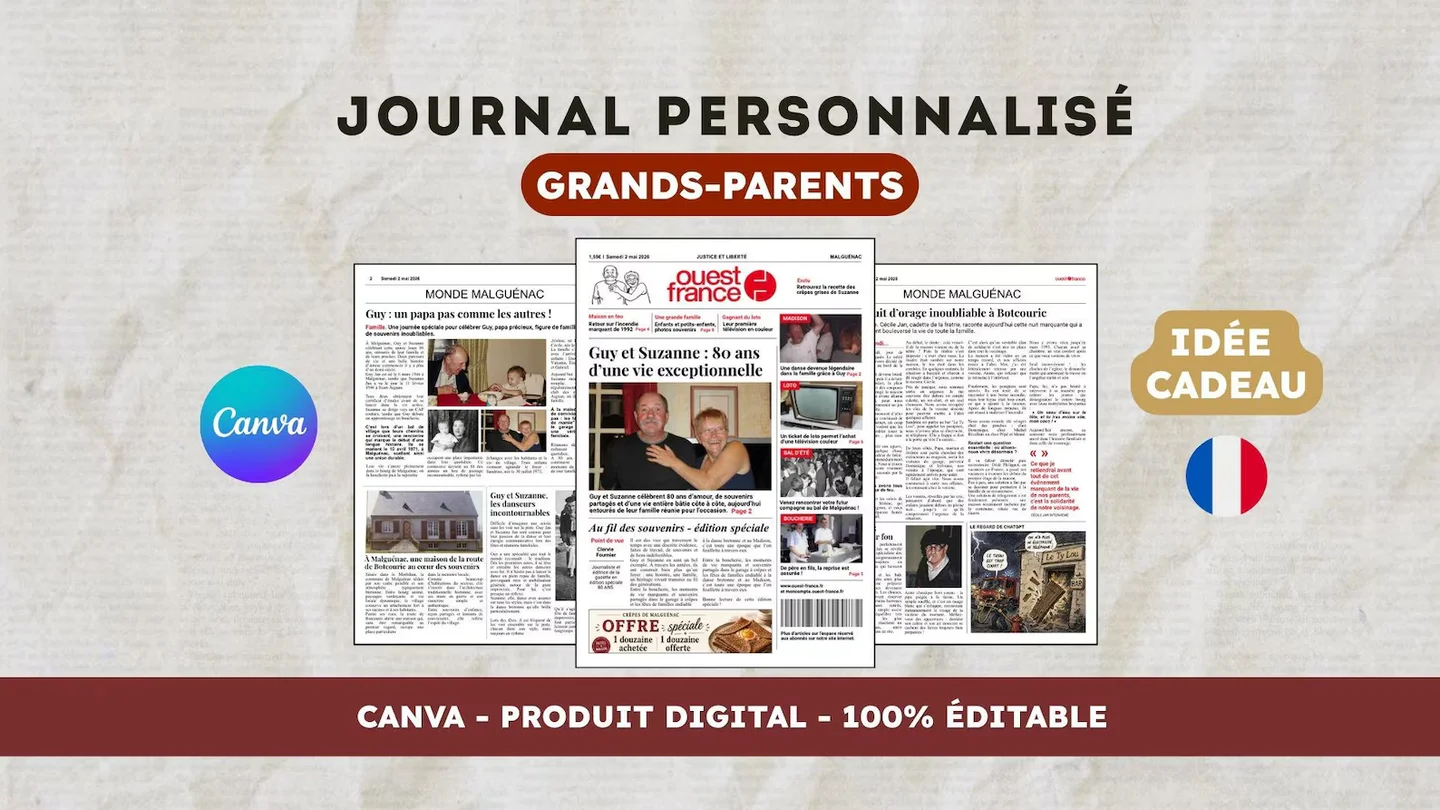
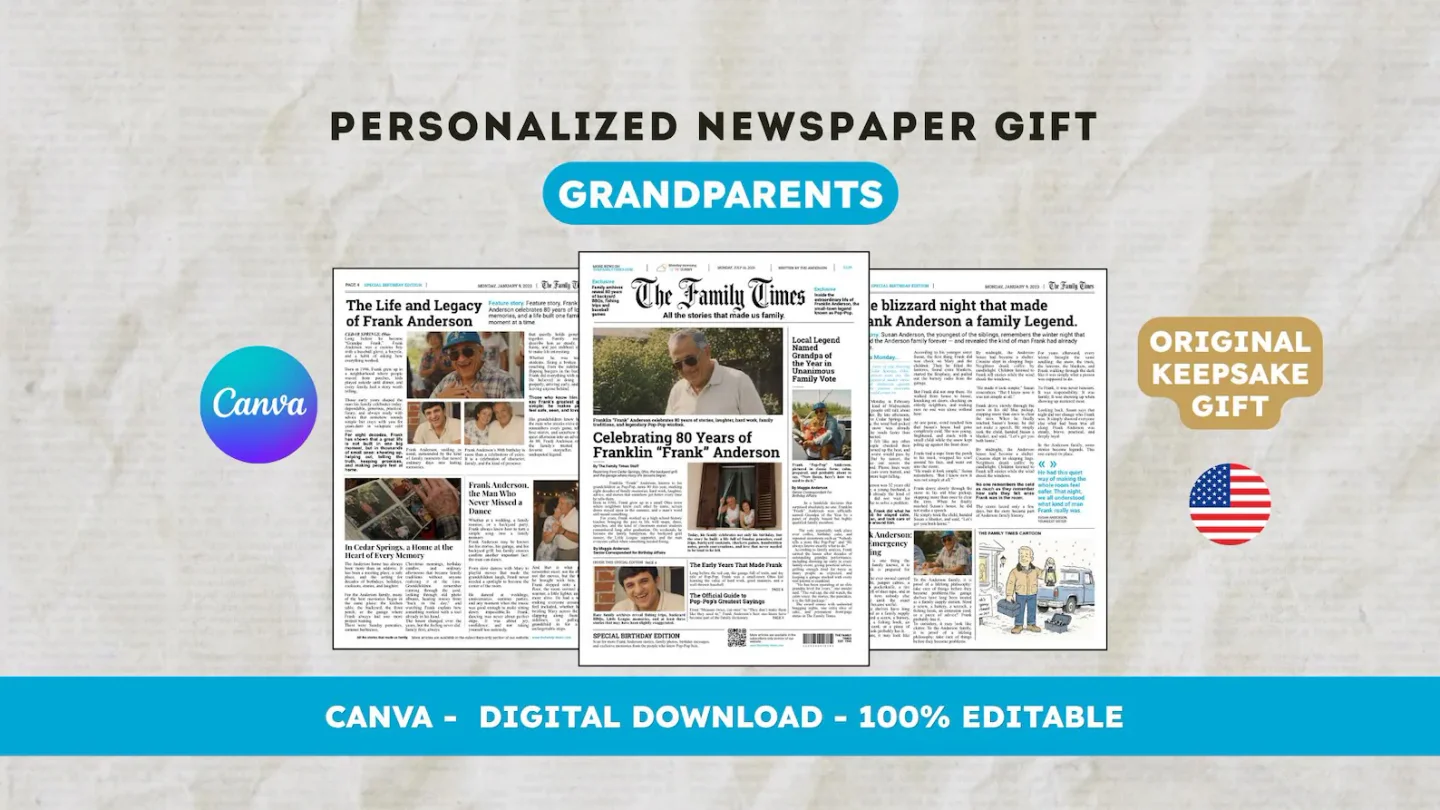
Open previews of inside pages. Notice headlines, photo space, columns, and reading order. Imagine your longest paragraph inside the available area. If fitting it requires very small type, shorten the writing or look for a structure that suits it better. A dramatic cover does not answer these inside-page questions.
For paper delivery, obtain the printer’s requirements before choosing a format by name. Newspaper Club publishes different artwork requirements for its formats, illustrating why “newspaper” is not a specification. Those requirements do not establish compatibility with an unchanged 22routes file. For a PDF gift, focus on whether the recipient can comfortably read the pages on their actual device.
Write a one-sentence decision
State your choice this way: “We want the reader to discover [main content], through [reading style], using [available material].” This helps decide between two equally attractive previews. Keep a representative trial page afterward: it shows whether your actual words and pictures fit the structure rather than relying on a display image filled with sample text.
22routes supplies twelve-page digital Canva templates, not a gazette subscription or a separate magazine offer. For an English project, inspect the English 80th birthday newspaper in the resources; another occasion depends on whether its preview fits. Printing remains separate. The public preparation and birthday-story guides help turn your decision into content ready for layout.
Frequently asked questions
01Does a family gazette have to appear monthly?
The word alone does not establish a schedule. For a personal project, choose a cadence contributors can maintain, or make one edition. If you use a service, check its actual terms rather than inferring the arrangement from its name.
02Can I mix photographs and short updates?
Yes, when each element has readable space. Group photographs telling one scene, then separate unrelated updates with headings. Try the arrangement with your own material before committing to the structure.
Have another newspaper in mind?
Suggest the title. We’ll email you if a template becomes available.